
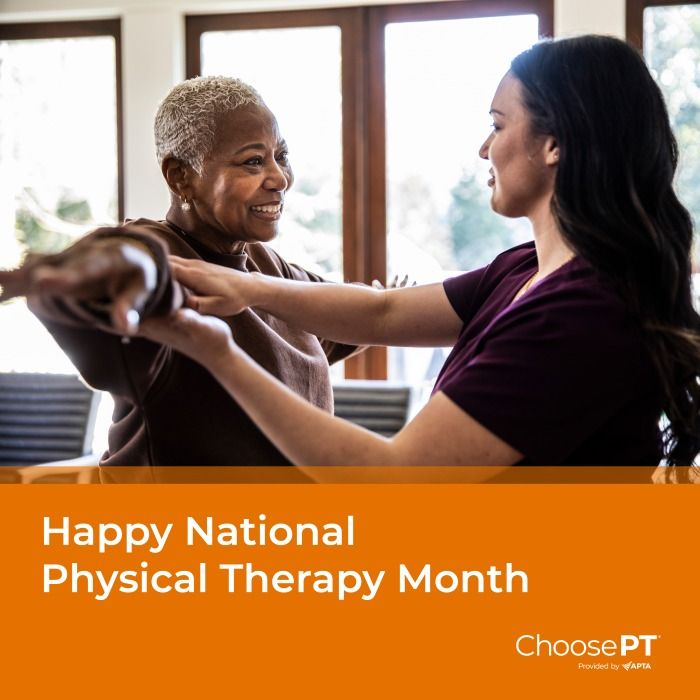
Getting out of bed, walking to the dining room, or spending time with family can take on new meaning after an illness, injury, or surgery. Every October, National Physical Therapy Month recognizes the professionals who help people improve their movement and work toward greater independence. At Lancashire Post Acute, we celebrate our physical therapists and the difference their work can make in everyday life.
What Is Physical Therapy?
Physical therapy helps people address challenges with movement and physical function. Physical therapists evaluate each person’s needs and develop an individualized treatment plan that may include exercises, balance activities, movement training, and education. Depending on the person’s goals, treatment may address pain, difficulty walking, reduced endurance, or fall risk.
Honoring the People Who Help Us Move Forward
At Lancashire Post Acute, physical therapy is a core component of our post-acute care, working alongside occupational and speech therapy to support each person’s rehabilitation needs. Our physical therapists collaborate with the broader care team to guide treatment around each patient’s abilities, challenges, and priorities.
During National Physical Therapy Month, we celebrate the clinical skill, patience, and encouragement our physical therapists bring to each patient’s recovery. Whether someone is working toward steadier steps or greater endurance for a favorite activity, we recognize our team’s dedication and the effort patients put into achieving their personal goals.
Investing in Our Future Health
The American Physical Therapy Association’s “PT For Future Me” campaign encourages people to consider how caring for their movement today can support their health in the years ahead. It highlights physical therapy’s role in prevention and wellness, alongside recovery.
For adults and older adults, the campaign offers resources to better understand changing physical needs and how physical therapy may help them stay active and engaged as they age.
Common Questions
Is physical therapy only for recovery after surgery?
No. Physical therapy can also help people manage movement difficulties associated with aging, injury, and ongoing health conditions.
How long does physical therapy last?
The length of treatment varies based on your condition, rehabilitation goals, and progress. Your physical therapist will discuss what to expect and adjust your plan as your needs change.
What is the difference between physical and occupational therapy?
Physical therapy focuses on movement, such as walking safely or getting up from a chair. Occupational therapy helps people perform everyday activities, such as dressing, bathing, and eating, and may introduce strategies or adaptive equipment to make those tasks easier. Their work often overlaps.
How can families support a loved one’s therapy?
Ask the care team about your loved one’s goals and how you can help. Share which activities matter most to them and ask for guidance before assisting with exercises or mobility practice.
Explore Helpful Resources
Read more about the history of National Physical Therapy Month and APTA’s awareness campaign on the American Physical Therapy Association’s website.
APTA also offers educational materials for patients and families:
- Physical Therapy in Middle Adulthood, including a downloadable handout.
- Physical Therapy in Older Adulthood, including a downloadable handout.
- PT For Future Me Patient Toolkit, with information about physical therapy and a guide to preparing for a first visit.
Learn more about how our subacute rehab program at Lancashire Post Acute supports recovery after an illness, injury, or surgery.